May 29, 2025
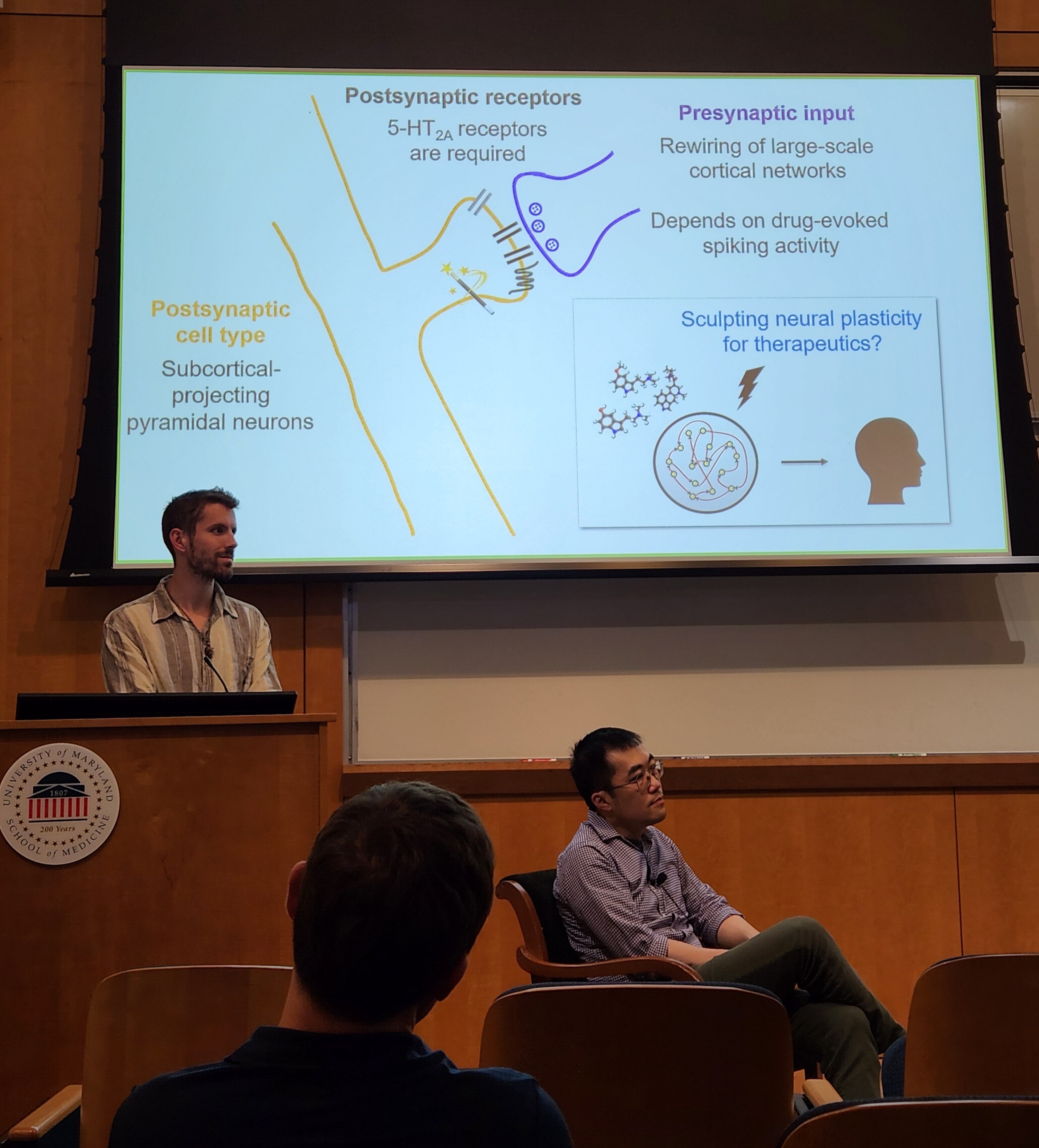
Dr. Brown hosts Dr. Alex Kwan, Associate Professor of Biomedical Engineering at Cornell University,
for a UM-MIND Seminar on the therapeutic, structural plasticity evoked by psychedelics.

In this article, we implicate a sequence of mechanisms distinguishing antidepressant actions
of ketamine metabolites from ketamine itself. These findings are relevant for the delineation of activity-dependent &
time-sensitive synaptic mechanisms for the treatment of neuropsychiatric disorders.

Dr. Brown visits the Faculty of Medicine and Health Sciences
at the Universiti Malaysia Sarawak to learn more
about biomedical science in Malaysia.
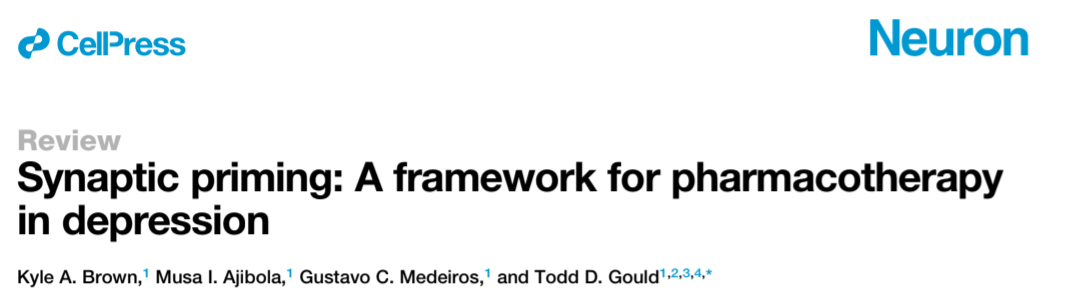
Through the perspective of metaplasticity, we examine the therapeutic effects
of intermittent ketamine administration and explore how targeting spatiotemporal features
of antidepressant dosing and environmental conditions may improve the effectiveness of treatments for depression.
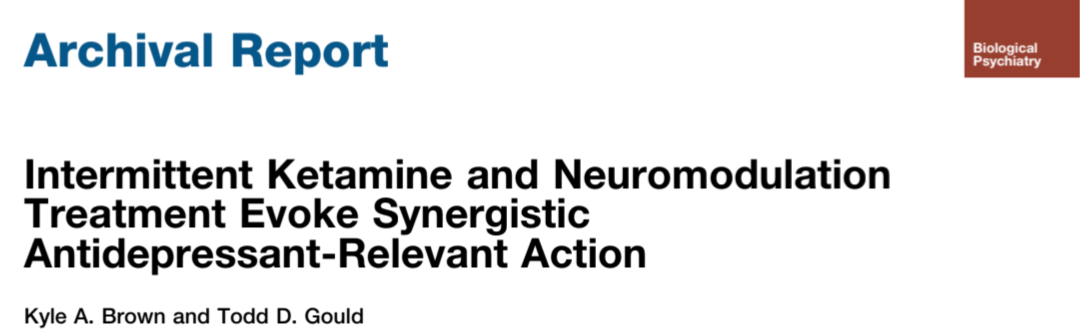
By optimizing dose and dose interval, we show in mice that ketamine
primes glutamatergic synapses such that electroconvulsive stimulation can
then produce synergistic antidepressant-relevant actions without
impairing cognition. These findings suggest that strategies
harnessing ketamine’s time-sensitive induction of neuroplasticity
can improve treatment outcomes.
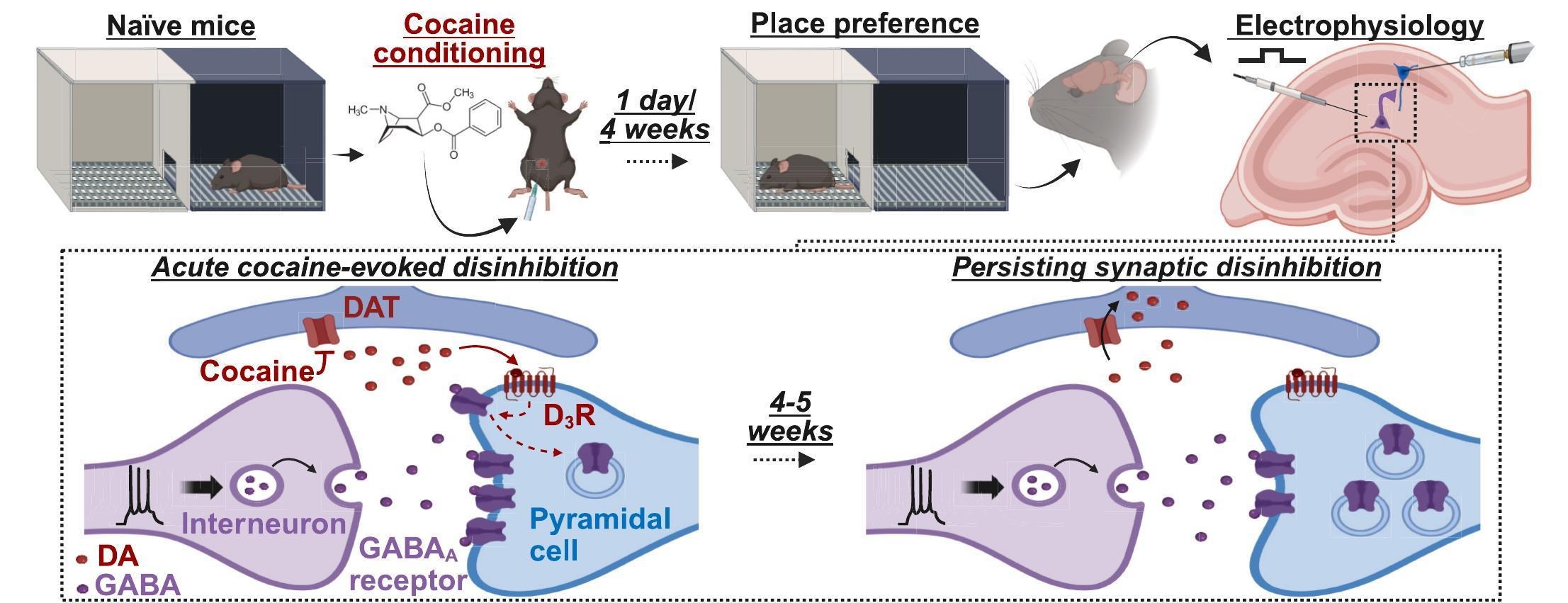
Persistent cocaine-seeking behavior predicted long-lasting synaptic
disinhibition in the mouse CA1 ventral hippocampus, implicating hippocampal
metaplasticity in a cocaine-use disorder phenotype.
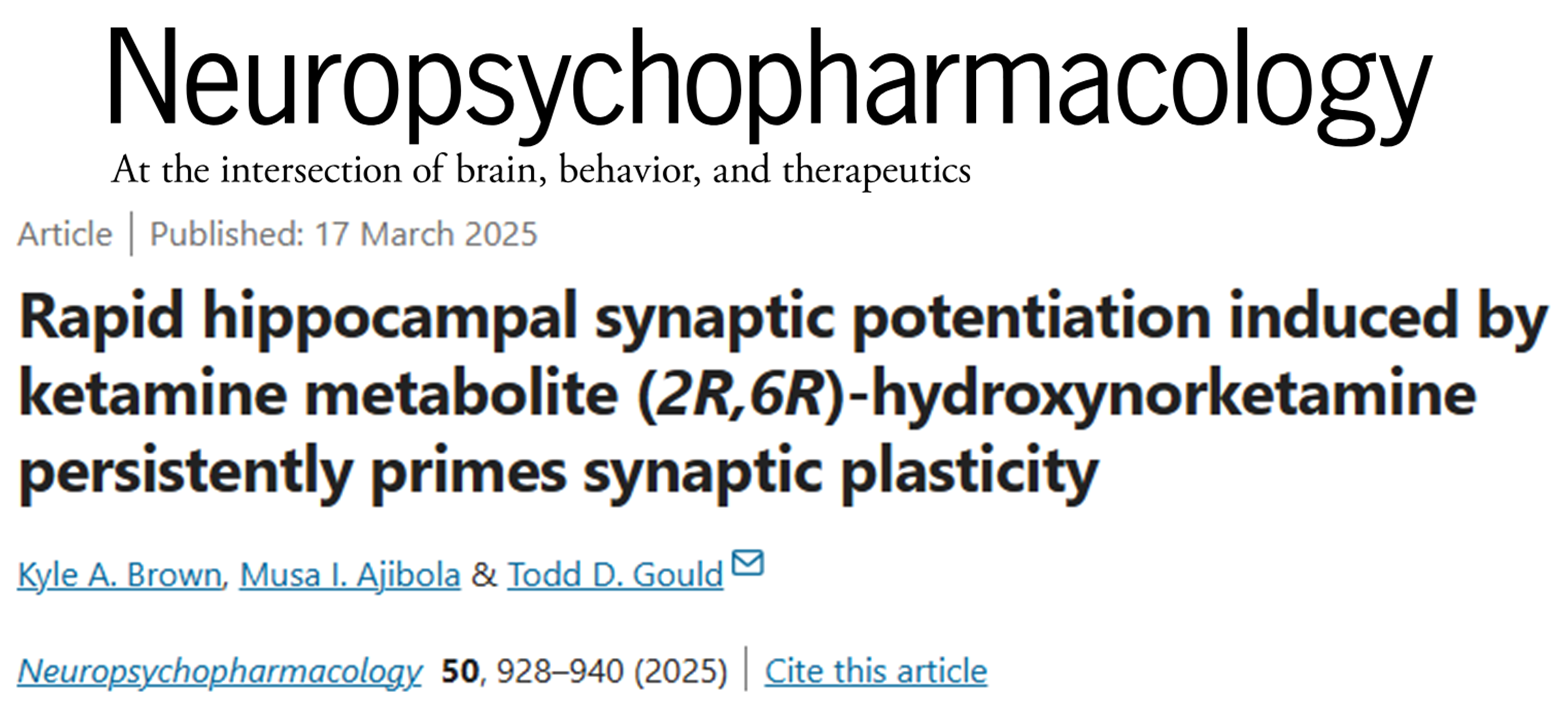
In this article, we show that rapid synaptic potentiation evoked by ketamine metabolite
(2R,6R)-hydroxynorketamine persistently increases the ability
for hippocampal synaptic plasticity, an effect previously attributed only to ketamine.
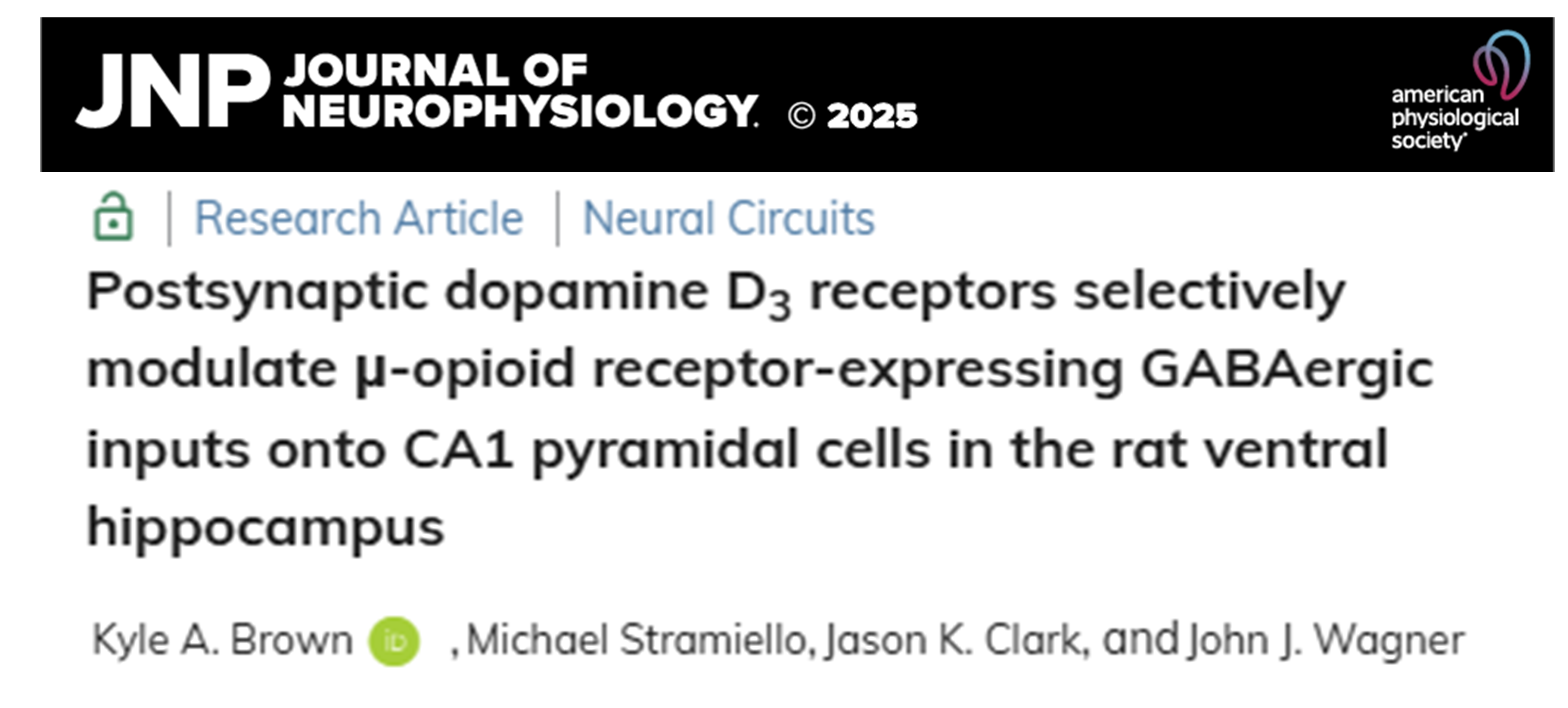
Postsynaptic dopamine D3 receptors in the hippocampus are selectively targeted by inputs from µ-opioid receptor-expressing GABAergic terminals,
suggesting an inhibitory CA1 synapse is uniquely regulated by dopaminergic and opioidergic signaling.
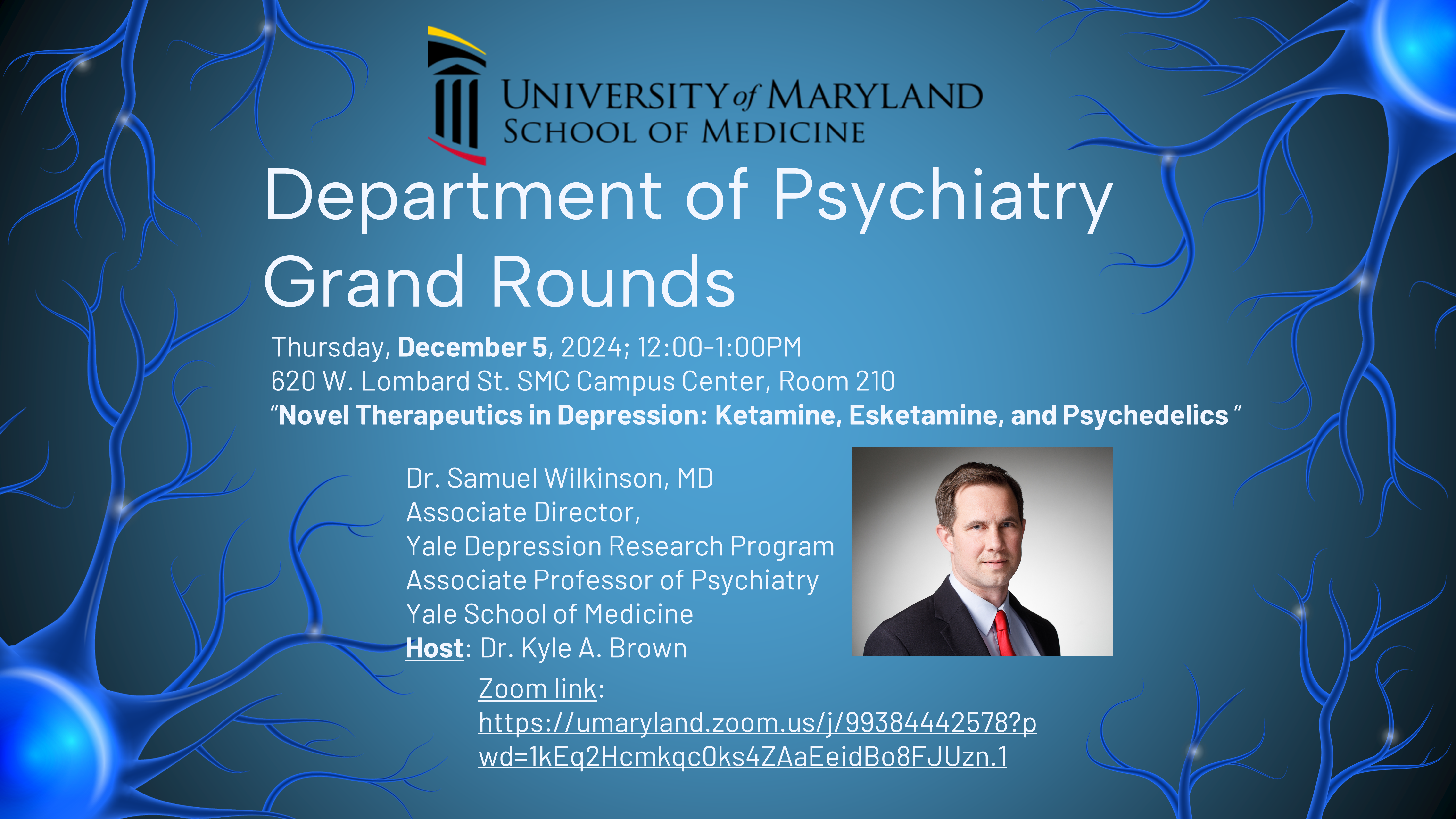
Dr. Brown hosts Dr. Samuel Wilkinson, the Associate Director of the Yale Depression Research Program,
for a Grand Rounds talk on ketamine and psychedelic use in clinical care for depression.
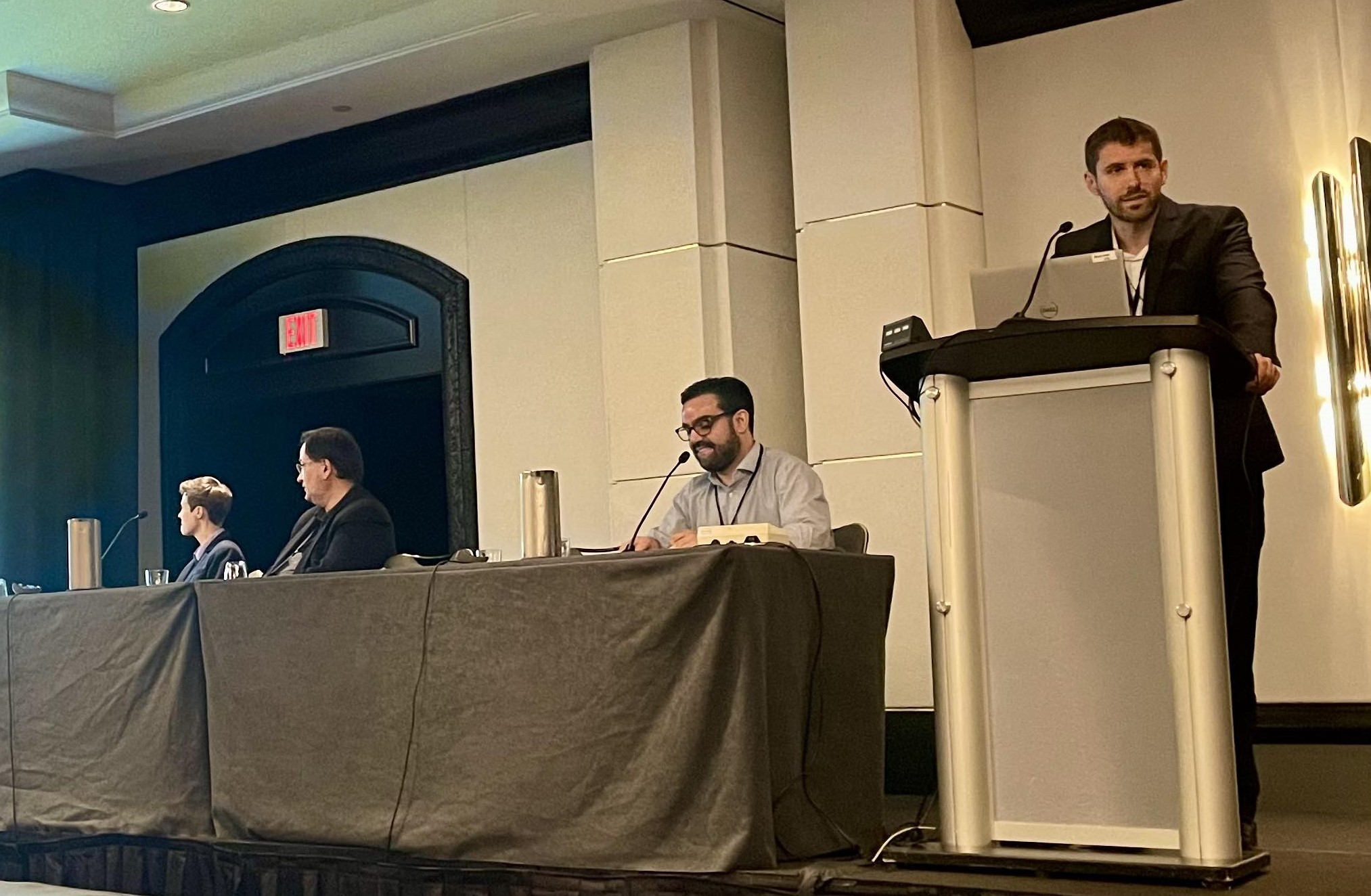
Drs. Gustavo Medeiros (Johns Hopkins), Jennifer Vande Voort (Mayo Clinic), and Dan Iosifescu (NYU School of Medicine) join Dr. Brown
on a panel at the American Society of Clinical Psychopharmacology meeting to discuss current and new therapeutic uses of ketamine/esketamine.

Ketamine persistently changes the ability for synaptic plasticity, suggesting a form of metaplasticity.
In this review, we describe the mechanisms associated with this metaplasticity, and if metaplasticity is linked to the antidepressant actions of ketamine.
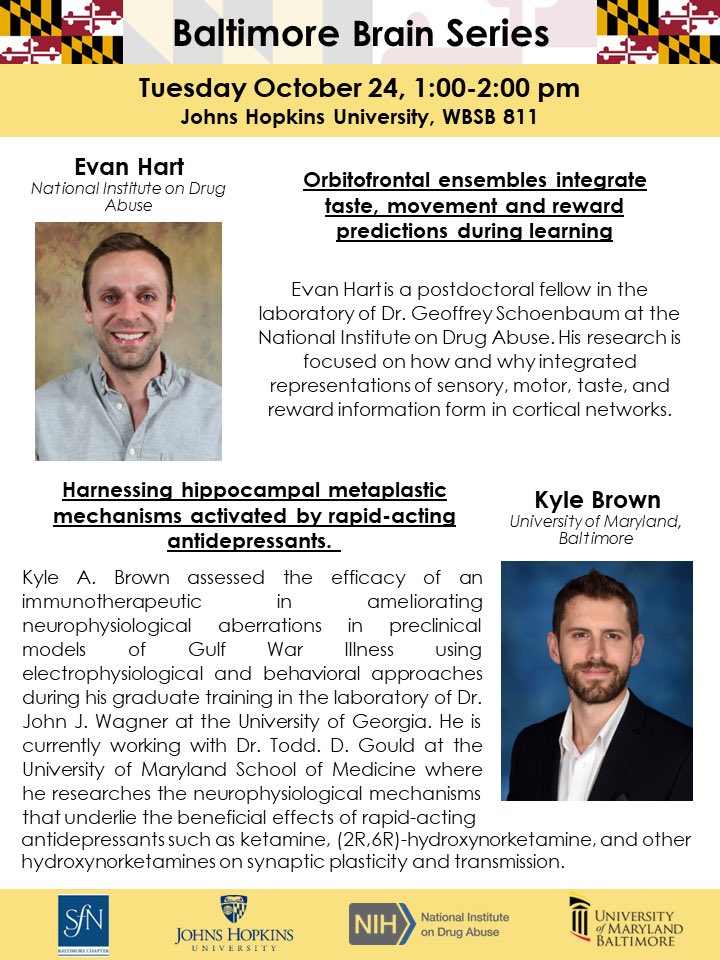
At the Baltimore Brain Seminar Series hosted at Johns Hopkins University, Dr. Brown discusses whether
ketamine and its metabolites exert long-lasting antidepressant actions through hippocampal metaplasticity.
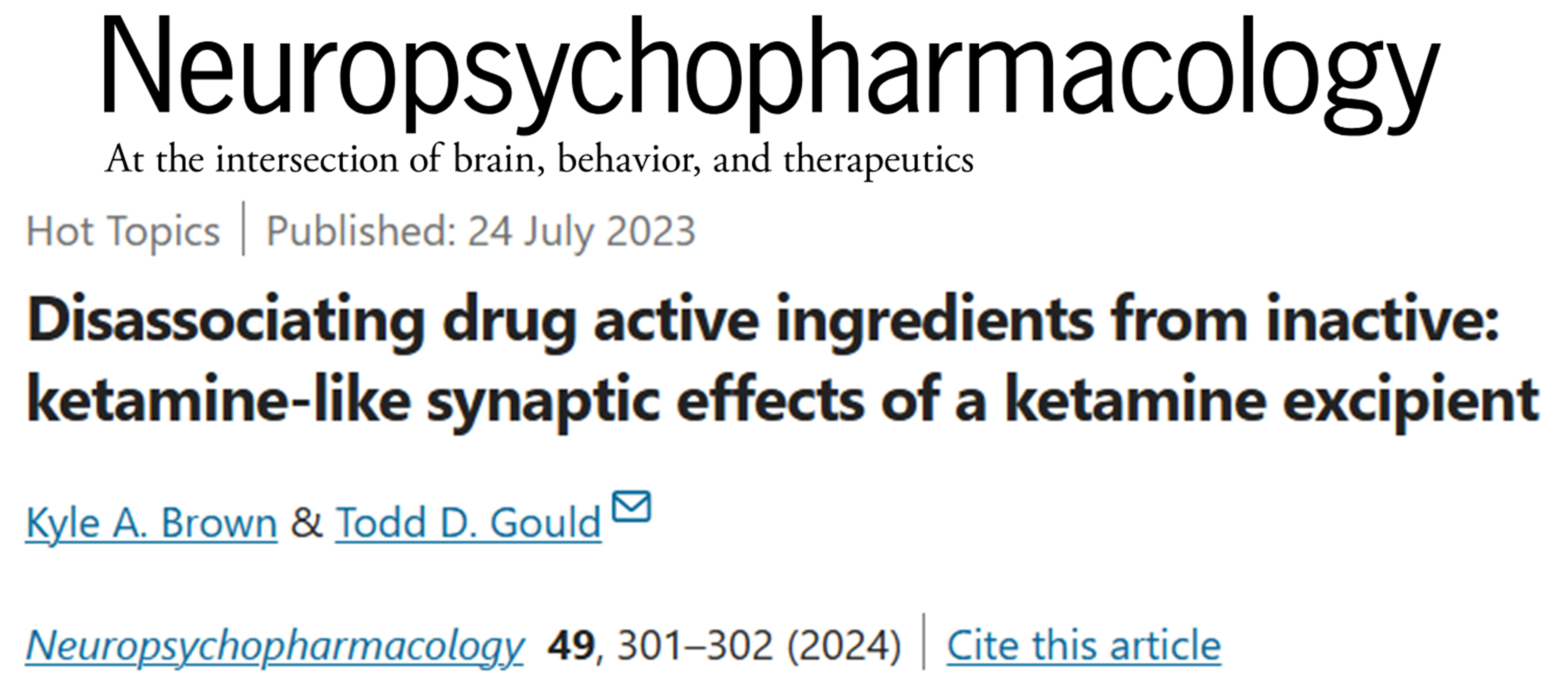
Some studies have shown that ketamine rapidly enhances hippocampal synaptic strength, but others found no effect. In this article,
we show that a preservative in veterinary ketamine formulations potentiates synaptic strength, suggesting that
it may be responsible for synaptic actions previously attributed to ketamine.
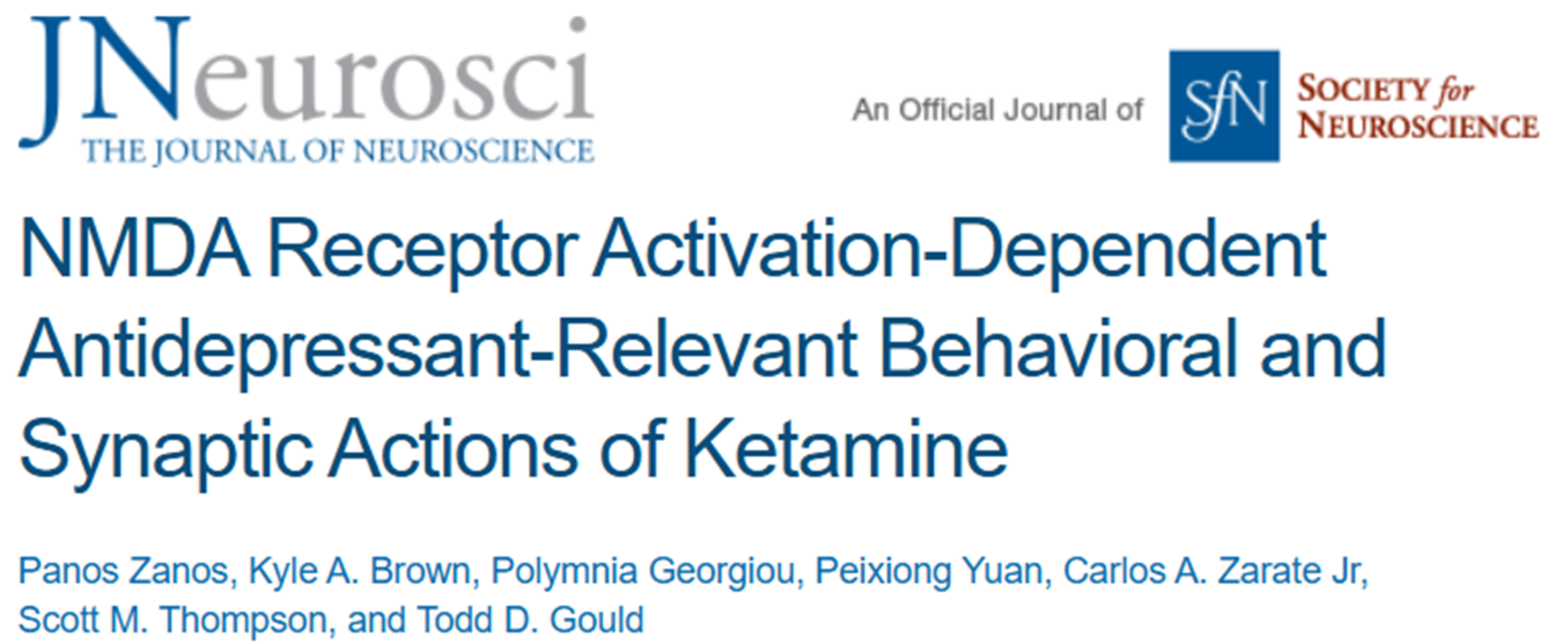
The antidepressant actions of ketamine are commonly attributed to its action as an NMDAR antagonist. In this article,
we show that sustained antidepressant synaptic and behavioral actions of ketamine actually require NMDAR activity.